Speaking & Media
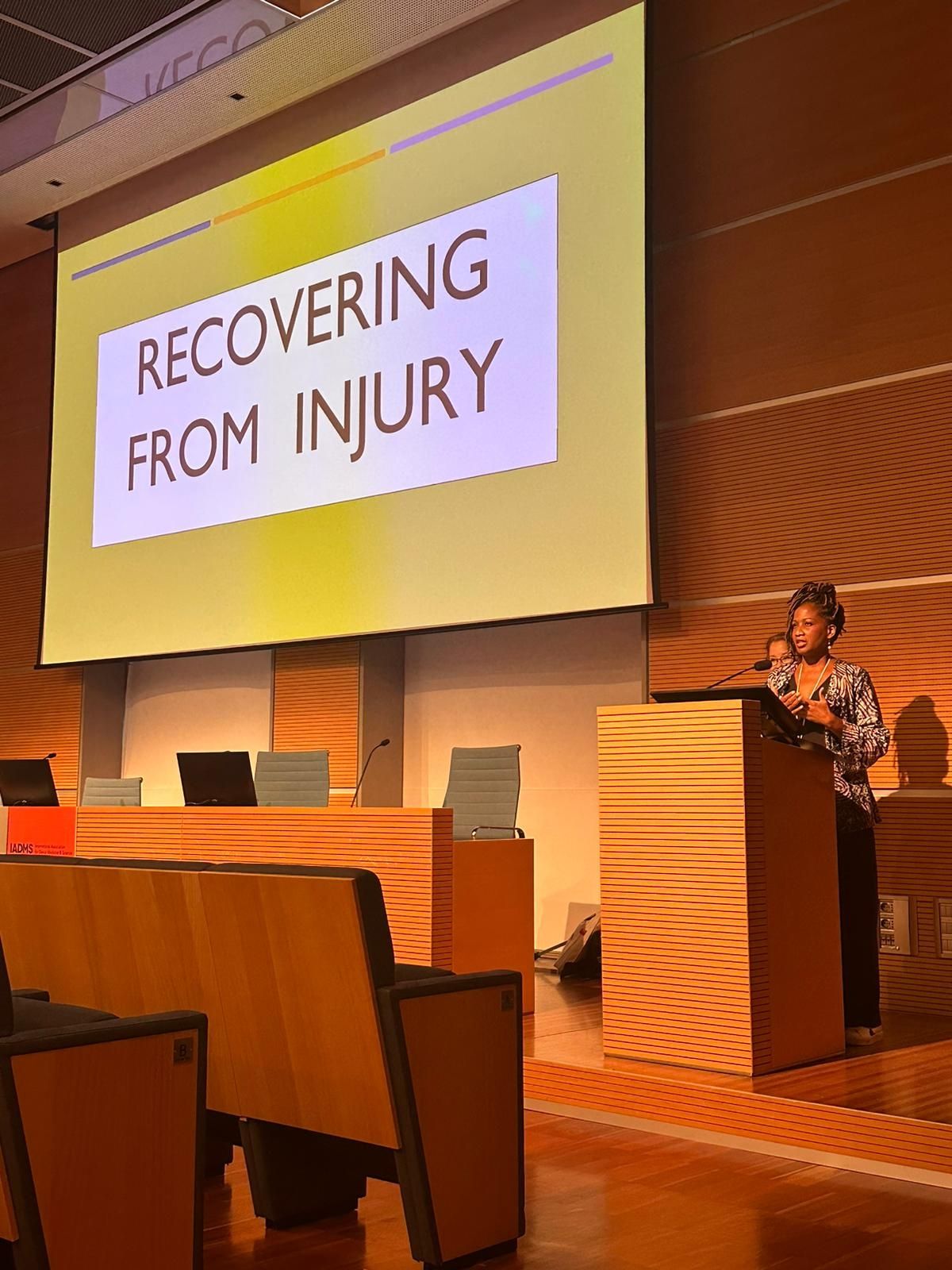
Dr. Sheyi speaks and collaborates on dancer health, performance, and the systems that support them. Her focus is practical, helping audiences connect science with the realities of dance.
Topic 1
The interconnected nature of dance health
How training, recovery, culture, and access to care shape dancer well-being
A dancer’s health is shaped by much more than what happens in the studio or treatment room. Training demands, recovery, nutrition, psychological well-being, communication, and access to care all influence one another. The environments dancers work and learn in can make it easier—or harder—to recognize concerns and seek support.
In this talk, Dr. Sheyi explores these connections and what they mean for dancers, educators, clinicians, and organizational leaders. Drawing on her 25 years of experience as a dance medicine physical therapist and researcher, she helps audiences see how individual experiences and organizational decisions come together to shape dancer health.
Topics may include:
- How rehearsal schedules, performance demands, and recovery opportunities interact.
- How studio culture and communication influence whether dancers report pain or ask for help.
- Why supporting a dancer may require collaboration among educators, healthcare professionals, and organizational leaders.
- Where small changes in everyday practice can create more supportive dance environments.
Audience takeaway: A broader understanding of dancer health and practical ways to recognize connections that may otherwise go overlooked.
Topic 2
Building dance health systems that fit organizations’ resources
Practical approaches to supporting dancers within real-world constraints
Dance organizations vary widely in size, staffing, funding, and access to healthcare. A useful dancer health system starts with understanding those realities and creating clear, workable ways to support the people within them.
Dr. Sheyi explores how schools, studios, companies, and dance programs can develop approaches that fit their resources. This session examines the structures behind dancer support: who responds when a concern arises, how dancers find appropriate care, how information is communicated, and how organizations identify their next priorities.
Topics may include:
- Identifying gaps in an organization’s current approach to dancer health.
- Clarifying roles, responsibilities, and pathways for raising concerns.
- Developing referral relationships and making available resources easier to navigate.
- Supporting communication around injury, participation, and return to dance while respecting professional boundaries and dancer privacy.
- Choosing realistic first steps and reviewing what is working over time.
Audience takeaway: A practical framework for identifying priorities and building a more coordinated approach to dancer health, with steps appropriate to the organization’s capacity.
Topic 3
Translating dance science into information dancers can understand and use
Connecting research with everyday decisions in dance
Dance science becomes more useful when people can connect it to the questions they face in daily training, teaching, and performance. That requires clear language, relevant examples, and an honest understanding of what research can—and cannot—tell us.
Dr. Sheyi explores how to make research and clinical knowledge accessible without losing their meaning. This session helps audiences move from hearing a finding to understanding its relevance, asking better questions, and considering how it might inform their own practice.
Topics may include:
- Explaining research findings in language that connects with dancers’ experiences.
- Distinguishing evidence, professional opinion, and familiar dance traditions.
- Understanding why a finding may apply differently across dancers and settings.
- Turning information about training, recovery, and injury into practical questions and choices.
- Recognizing when general education should lead to individualized professional guidance.
Audience takeaway: Greater confidence interpreting dance health information and connecting it to thoughtful, practical decisions.
Interested in bringing one of these conversations to your organization?
Contact Dr. Sheyi to discuss a talk, workshop, panel, or media conversation tailored to your audience.
